
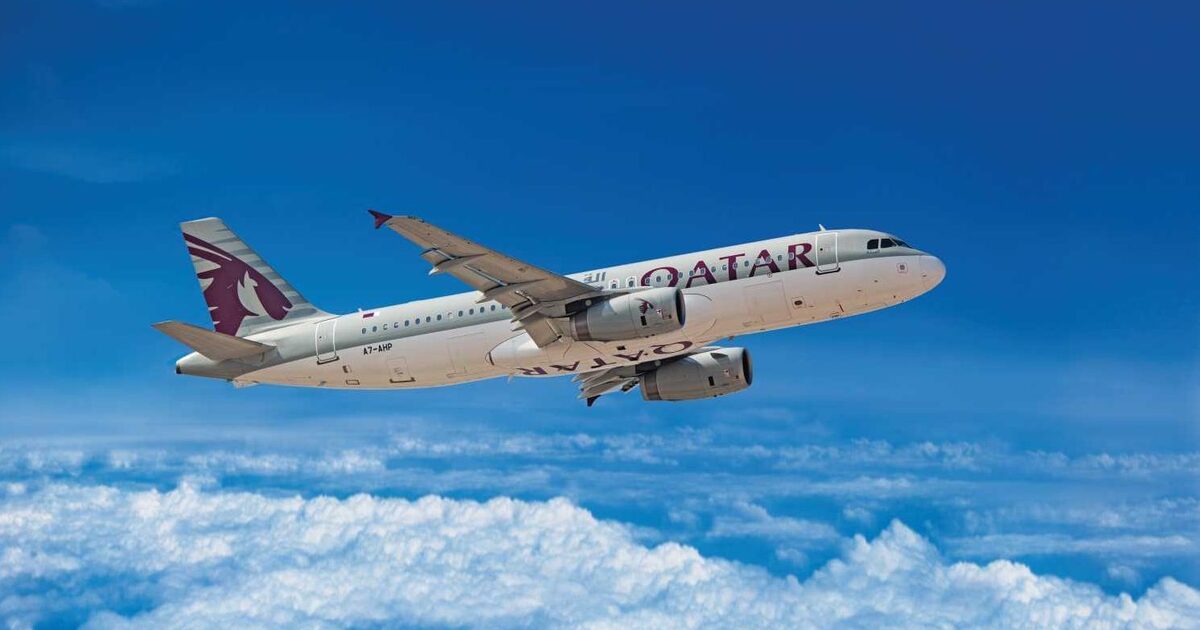
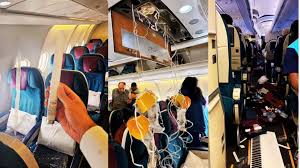
A recent incident on a Qatar Airways flight from Doha to Dublin has brought attention to the risks associated with turbulence in aviation. On May 27, 2024, Flight QR017, a Boeing 787 Dreamliner, encountered severe turbulence while flying over Turkey, injuring 12 people, including six passengers and six crew members.
Eight of those injured were hospitalized, highlighting the potential severity of turbulence-related incidents. Fortunately, the flight landed safely at Dublin Airport, where emergency services were prepared to respond.
Qatar Airways issued a statement confirming the incident and stating that an internal investigation was underway. The safety of passengers and crew is the top priority for any airline, and incidents like this underscore the importance of being prepared for unpredictable weather conditions.
Growing Concerns About Turbulence
Turbulence is a natural phenomenon that can occur on any flight. It happens when an aircraft travels through layers of air moving at different speeds, causing sudden movements and jolts. While most cases of turbulence are mild and do not pose a significant danger, severe turbulence can be extremely hazardous, as seen in the Qatar Airways incident.
Implications for Aviation Safety
Incidents like this raise important questions about how airlines and aviation authorities can improve safety on flights affected by turbulence. Some measures being explored include:

– Developing more advanced turbulence prediction systems
– Strengthening safety protocols for passengers and crew during turbulence episodes
– Enhancing pilot training to handle severe turbulence situations


