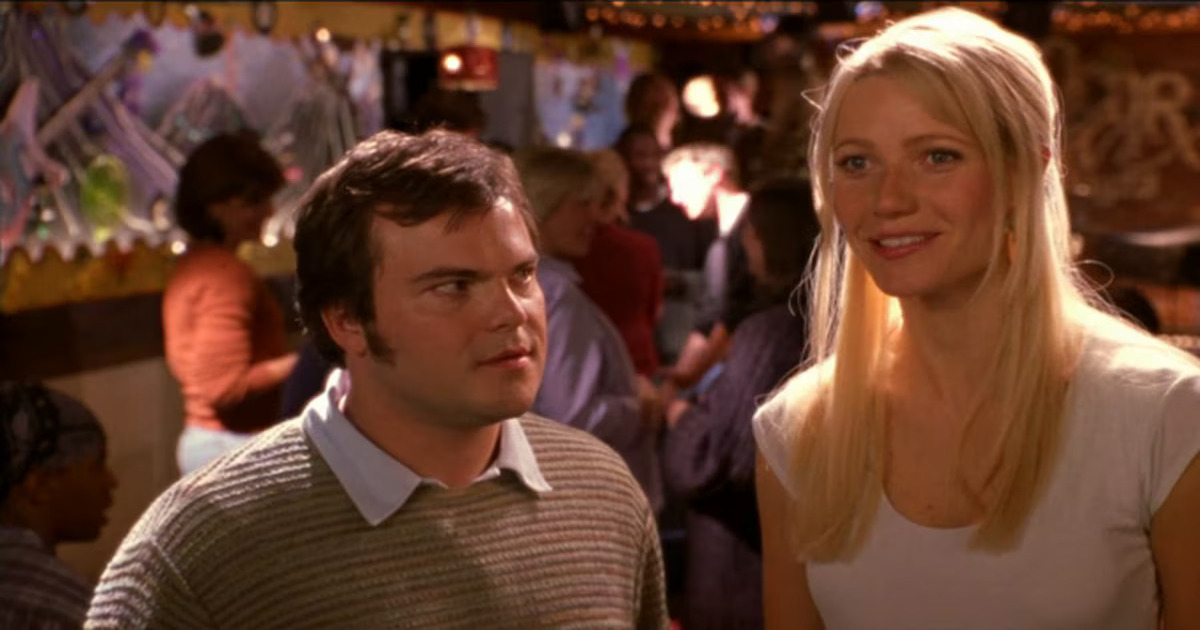

For more than two decades, Jack Black has been an iconic figure in American comedy cinema. From his breakout role in High Fidelity to classics like School of Rock, the actor built a career marked by his stage presence, versatility, and charisma. However, not everything in his filmography leaves him with a good feeling. In a recent interview with Far Out Magazine, Black confessed which movie he regrets the most: Shallow Hal (2001).
“They paid me a fortune, so I feel like I sold out,” he admitted bluntly. Although the film was a commercial success at the time, the experience left an uncomfortable mark on the actor’s conscience. To him, the script failed to sensitively handle the message it aimed to convey: what was supposed to be a lesson about love beyond physical appearances ended up as a comedy that reinforced stereotypes and mocked non-normative bodies.

In 2001, Black starred in Saving Silverman, directed by Dennis Dugan, a film that was poorly received by critics and is now largely forgotten—even by Black himself. However, that same year saw the release of Shallow Hal, which he considers his biggest professional mistake. Directed by the Farrelly brothers—known for hits like Dumb and Dumber—the film presented a controversial premise: a hypnotized man sees an obese woman as if she were thin.
Shallow Hal attempted to deliver a moral lesson about love beyond appearances, but its execution was received as superficial and offensive. Frequent criticisms pointed to the film’s reliance on fatphobic jokes, such as chairs breaking under the protagonist or exaggerated visual effects emphasizing her body.
Black’s co-star, Gwyneth Paltrow, also later expressed her discomfort about taking the role. In an interview with The Guardian, she described a disturbing experience while wearing the fat suit for her character: “It was very sad. It was very disturbing. No one would look me in the eye because I was obese. I felt humiliated.”
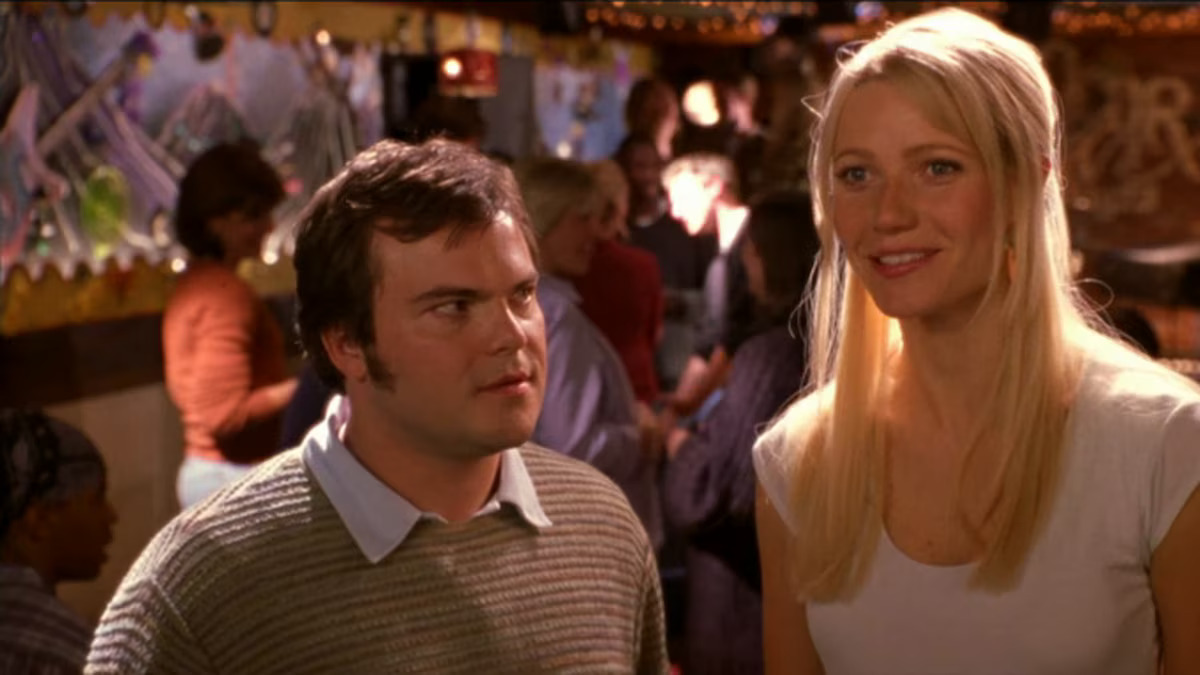
Her criticism went beyond the film’s content, also addressing how the industry represents non-normative bodies. “The clothes they make for overweight women are horrible. I felt humiliated because people were so dismissive,” she remarked.
Although Black tried to bring sincerity to his performance, his efforts were constantly undermined by the script. Any hint of genuine emotion was neutralized by a visual gag or an insensitive joke. Paltrow, meanwhile, seemed trapped in a role written from a male fantasy rather than an authentic reflection on beauty and self-worth.
Comedy: An Underappreciated Genre

The article also references a reflection by comedian John Cleese, who lamented that comedy is often seen as a lesser genre by institutions like the Academy. Cleese argued that making people laugh requires more acting skill than making them cry, citing Peter Sellers’ brilliance in Dr. Strangelove as an example.
This idea ties into Black’s experience: despite his comedic talent, Shallow Hal prevented him from showcasing the emotional depth of his work, trapping him in a narrative framework that failed to evolve or be handled thoughtfully.
An Uncomfortable Legacy
Over time, Shallow Hal has come to be seen as a relic of an era when Hollywood believed a moral message could justify any means, even if those means reinforced harmful stigmas. What could have been a reflection on inner beauty ultimately became an example of socially insensitive and poorly executed comedy.


