

Joseph Coates, a 37-year-old man from Renton, Washington, faced a devastating diagnosis: doctors told him he was dying due to POEMS syndrome, a rare blood disorder that severely impacted his health. His condition had deteriorated so much that he was no longer eligible for a stem cell transplant—the only potential treatment available. With no other options, doctors asked him to choose where he wanted to spend his final days: at home or in the hospital.
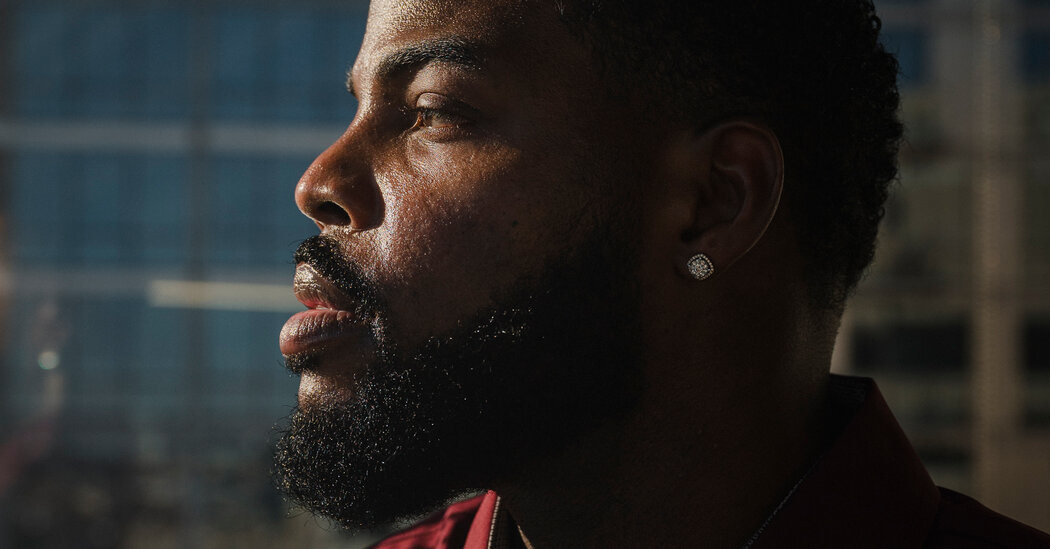
However, his partner refused to accept this fate and searched for alternatives. This led them to Dr. David Fajgenbaum, a physician and researcher at the University of Pennsylvania, who had previously used artificial intelligence (AI) to identify effective treatments for rare diseases.
Dr. Fajgenbaum applied an AI model that analyzed over 4,000 existing drugs to find a possible treatment for POEMS syndrome. The AI identified a medication regimen that, when administered to Coates, led to a remarkable improvement in his health.

Coates’ case highlights the incredible potential of artificial intelligence in medicine, particularly in finding and repurposing treatments for rare diseases. AI-driven drug discovery could offer new hope to patients who previously had limited options.
This story serves as a powerful example of how technology and medicine can work together to transform lives. As AI continues to advance, its role in saving lives and improving healthcare outcomes is expected to grow even further.


