

Former U.S. President Donald Trump has recently responded to the question of whether he would consider pardoning Derek Chauvin, the former police officer convicted for the murder of George Floyd in 2020. Chauvin’s conviction and sentencing brought the case to the forefront of the global conversation about police brutality, racial injustice, and the need for reform in law enforcement.
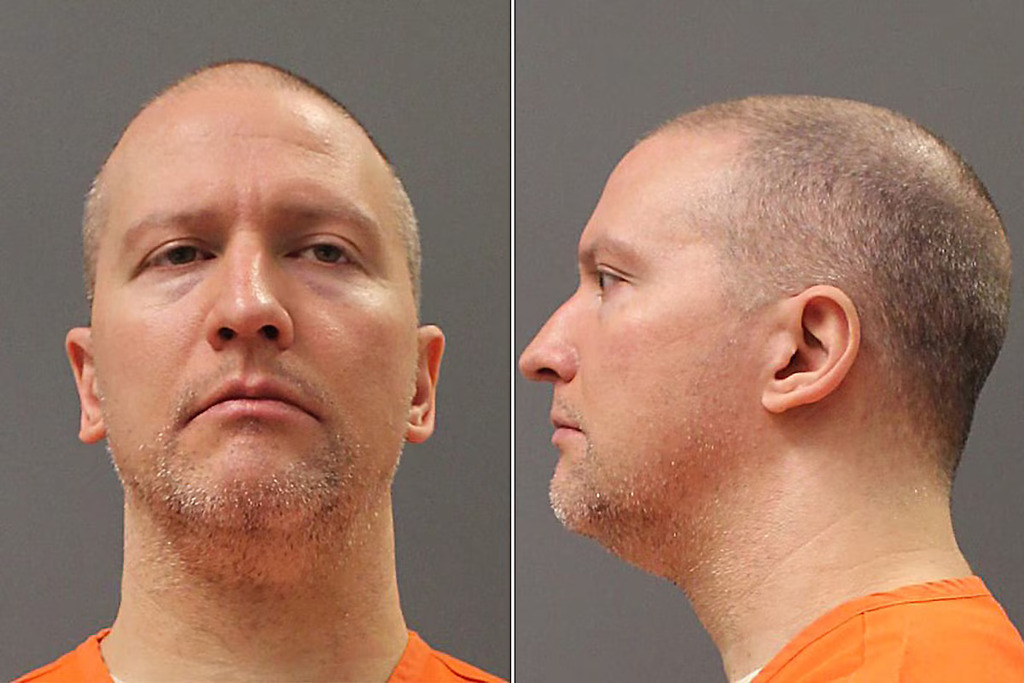
Chauvin was sentenced to 22.5 years in prison after being found guilty of second-degree unintentional murder, third-degree murder, and second-degree manslaughter for his role in the death of George Floyd, whose death, captured on video, sparked worldwide protests under the Black Lives Matter movement. The incident, in which Chauvin knelt on Floyd’s neck for over nine minutes, led to a wave of outrage and calls for justice across the United States and globally.
In a recent interview, Trump was asked whether, should he return to the presidency, he would consider granting a pardon to Chauvin. Trump, known for his controversial stances on criminal justice issues, responded by stating that he would “look at it” and that he had “great respect for law enforcement.” While he did not provide a definitive answer regarding a potential pardon, his remarks have sparked debate about the politics of criminal justice and police accountability.
Supporters of Chauvin, including some conservative figures, have argued that he was a victim of an overreaching justice system and that his sentence was excessively harsh. They believe that a pardon could right what they view as a miscarriage of justice. On the other hand, many believe that pardoning Chauvin would undermine the progress made in addressing systemic racism and police violence in the United States.
The question of pardoning Chauvin also taps into broader discussions surrounding criminal justice reform in America. Following Floyd’s death, protests erupted across the nation, calling for an end to police brutality, racial profiling, and the systemic oppression of Black Americans. In the wake of those protests, a number of reforms have been introduced at both the local and state levels, but many activists argue that more fundamental changes are needed.
Critics of Trump’s suggestion of a potential pardon view it as a step backward in the fight for racial justice. They argue that Chauvin’s conviction was a crucial moment in holding law enforcement accountable for actions that have disproportionately affected Black and minority communities. Pardoning Chauvin, in their view, would send the wrong message and undermine the work that remains to address issues of racial inequality within the U.S. justice system.
On the other hand, some of Trump’s supporters claim that he is simply upholding the idea of fairness in the justice system and that anyone, including police officers, should be able to appeal their cases if they believe the legal process was unjust. However, the controversial nature of the case and the subsequent trial makes this a particularly delicate matter, and any action to pardon Chauvin could come under intense scrutiny from both political allies and critics.
While Trump has not made any concrete plans for action regarding a pardon, his statement raises important questions about the broader implications for criminal justice in America. A decision to pardon Chauvin would likely reignite tensions around race relations, policing, and the broader societal issues that emerged following George Floyd’s death.
As the United States continues to grapple with issues of race, justice, and inequality, the potential for pardoning Derek Chauvin remains a highly contentious issue. Whether or not such a pardon comes to pass, the conversation about justice, accountability, and reform will continue to shape American politics and society for years to come.


