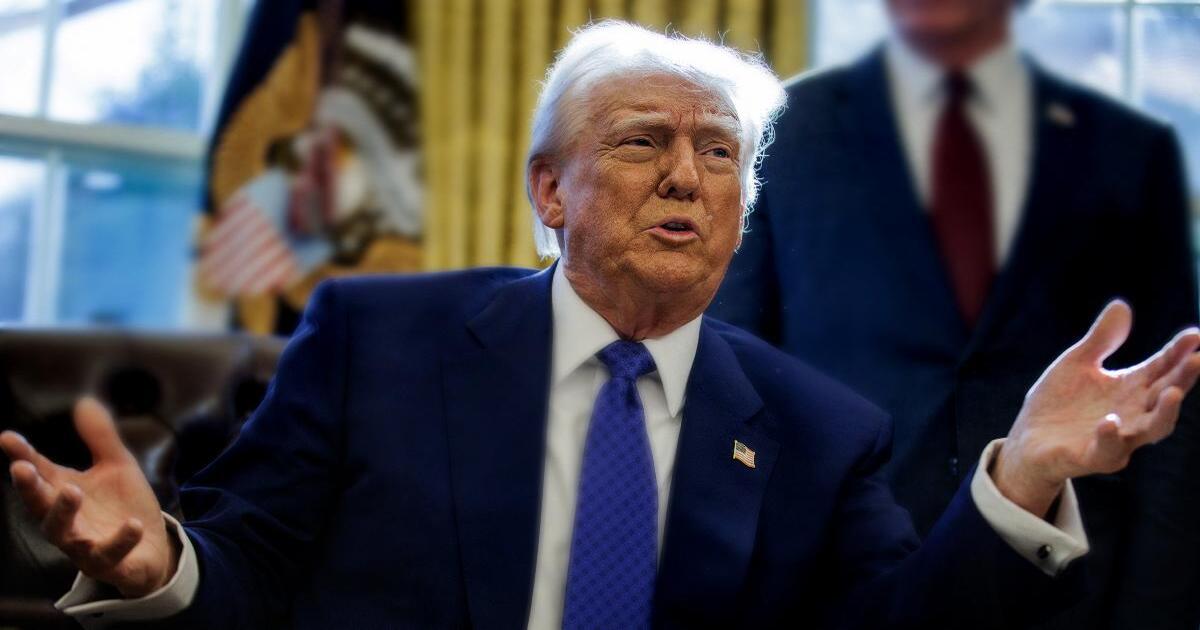
Former U.S. President Donald Trump’s efforts to mediate a ceasefire between Ukraine and Russia are encountering serious obstacles due to the rigid positions of the key players involved. Russian President Vladimir Putin, Ukrainian President Volodymyr Zelensky, and European leaders have all taken firm stances that complicate the path to peace.
One of the main points of contention is Russia’s demand that Ukraine stop receiving military aid and intelligence from Western allies following any potential truce. This condition has been firmly rejected by Kyiv, as Ukrainian officials argue that such a concession would leave their country vulnerable to future aggression. Meanwhile, European nations continue to push for additional sanctions against Moscow, reinforcing their commitment to Ukraine’s defense rather than endorsing Trump’s diplomatic initiative.
Another roadblock emerged when President Zelensky dismissed Trump’s proposal regarding the control of Ukraine’s Zaporizhzhia nuclear power plant. While the former U.S. president suggested an international oversight mechanism, Zelensky insisted that Ukraine alone should maintain authority over its own energy infrastructure, fearing external interference in a matter of national security.
Despite these challenges, limited progress has been made in discussions surrounding the protection of energy infrastructure. There were initial agreements to prevent attacks on power plants and critical energy facilities, but these efforts have not led to a broader ceasefire. In fact, continued airstrikes and military operations in key cities like Odesa and Kharkiv demonstrate that the conflict is far from over.
Additionally, European leaders have voiced concerns over Trump’s approach, criticizing what they perceive as an attempt to pressure Ukraine into a deal that does not fully address its security needs. The exclusion of European representatives from key negotiations has fueled skepticism about the long-term viability of any agreement brokered by the former U.S. president.
As the situation unfolds, upcoming diplomatic talks will be crucial in determining whether a ceasefire is achievable. However, with both Ukraine and Russia standing firm on their demands and Europe maintaining its hardline stance against Moscow, Trump’s initiative appears to be losing momentum. The road to peace remains uncertain, and without greater consensus among the involved parties, a lasting resolution to the conflict seems distant.


