

Diego Armando Maradona had no traces of alcohol or drugs in his system at the time of his death, except for prescribed medications, according to a toxicology expert who testified on Tuesday in the trial investigating the responsibility of seven healthcare professionals in the Argentine football legend’s passing.
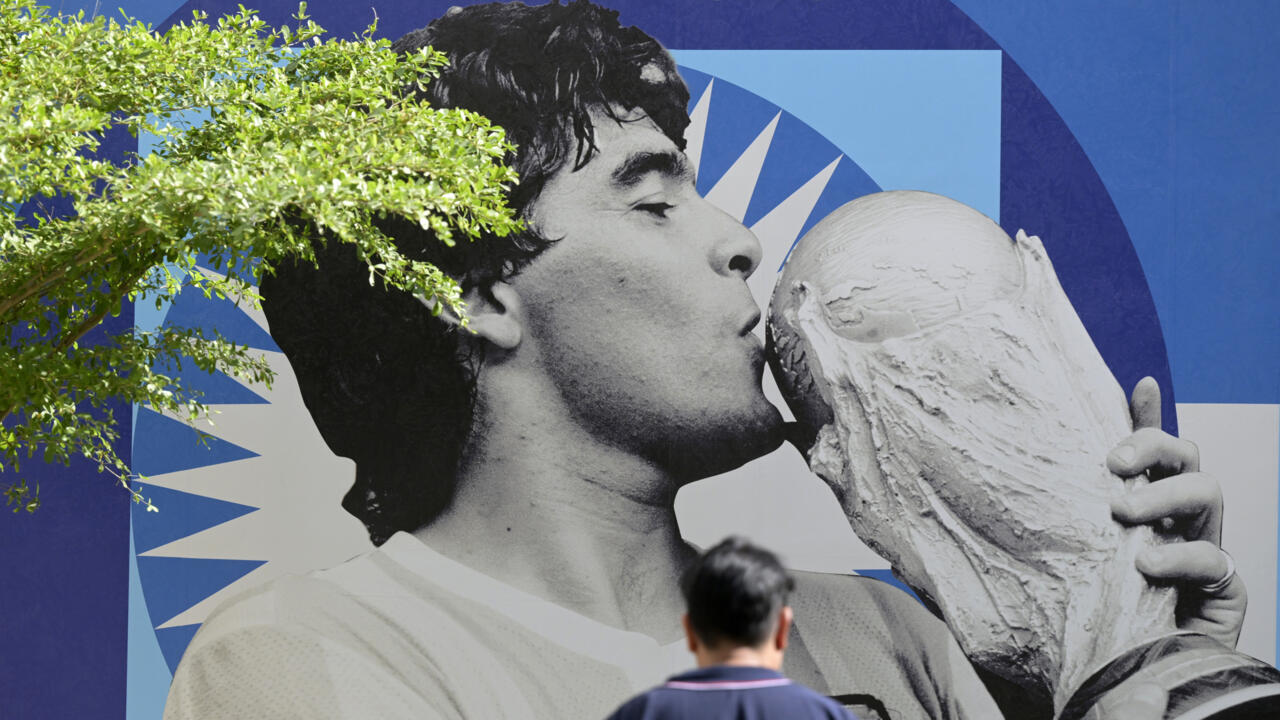
Ezequiel Ventosi, a forensic toxicologist with the scientific police, stated before the Criminal Court No. 3 of San Isidro, in Buenos Aires Province, that Maradona’s body showed no presence of substances such as alcohol, cocaine, marijuana, or ecstasy. The only drugs found were those prescribed by psychiatrist Agustina Cosachov, one of the defendants in the case.
Among the medications detected were venlafaxine (an antidepressant), levetiracetam (used to treat seizures), naltrexone (used in addiction treatment), and quetiapine (an antipsychotic prescribed for bipolar disorders). Additionally, metoclopramide (for nausea and vomiting) and ranitidine (used for stomach ulcers and reflux treatment) were also identified.
Meanwhile, forensic pathologist and legal medicine expert Alejandro Vega confirmed that Maradona had an abnormally large heart with signs of ischemia, as well as a liver affected by advanced cirrhosis and a kidney with long-term damage.
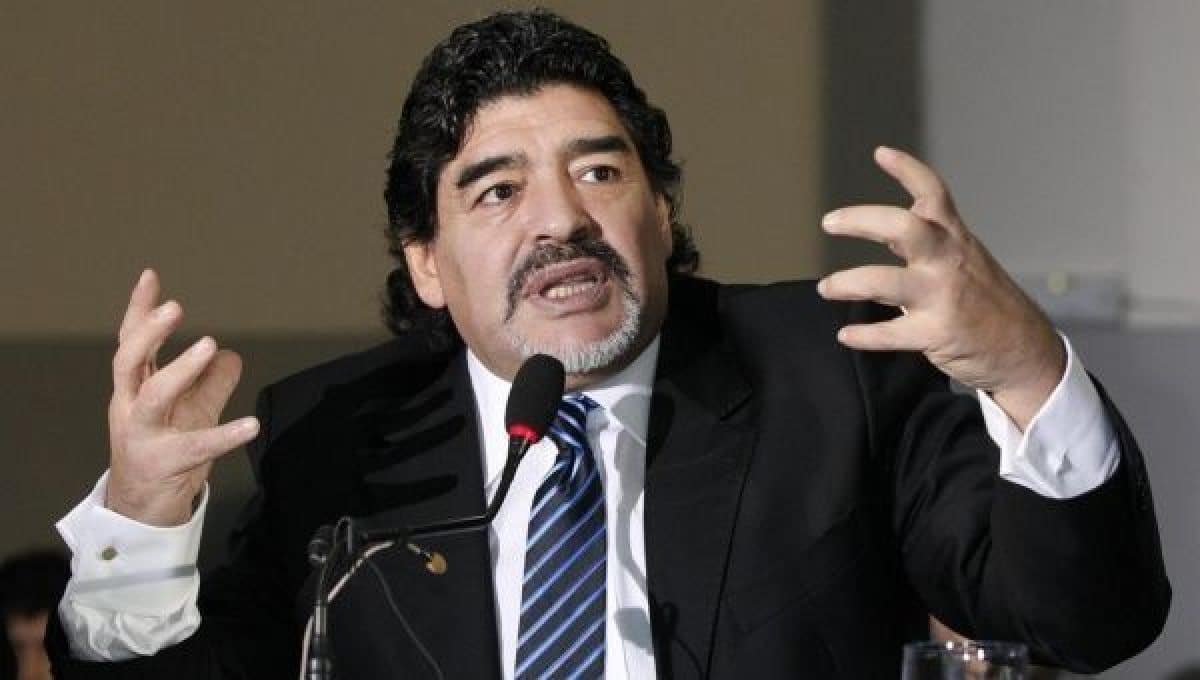
The trial, held at the Criminal Court No. 3 of San Isidro, continues this Tuesday. The accused include neurosurgeon Leopoldo Luque, psychiatrist Agustina Cosachov, psychoanalyst Carlos Díaz, Swiss Medical coordinator Dr. Nancy Forlini, physician Pedro Di Spagna, nursing coordinator Mariano Perroni, and nurse Ricardo Almirón.
Additionally, nurse Gisela Madrid also faces charges but has requested a jury trial, which will take place in the second half of the year after the main trial concludes.
Judges Maximiliano Savarino, Verónica Di Tommaso, and Julieta Makintach must determine whether the seven defendants are guilty of simple homicide with eventual intent, a charge that carries a maximum sentence of 25 years in prison.


