
The first American pope emphasizes the moral challenges and opportunities of AI in safeguarding human dignity and promoting the common good.
In his first press conference as head of the Roman Catholic Church, Pope Leo XIV addressed one of the defining issues of our time: the responsible use of artificial intelligence (AI). The newly elected pontiff stressed the importance of ethical discernment, warning that while AI offers enormous potential, it also presents significant moral and social challenges.
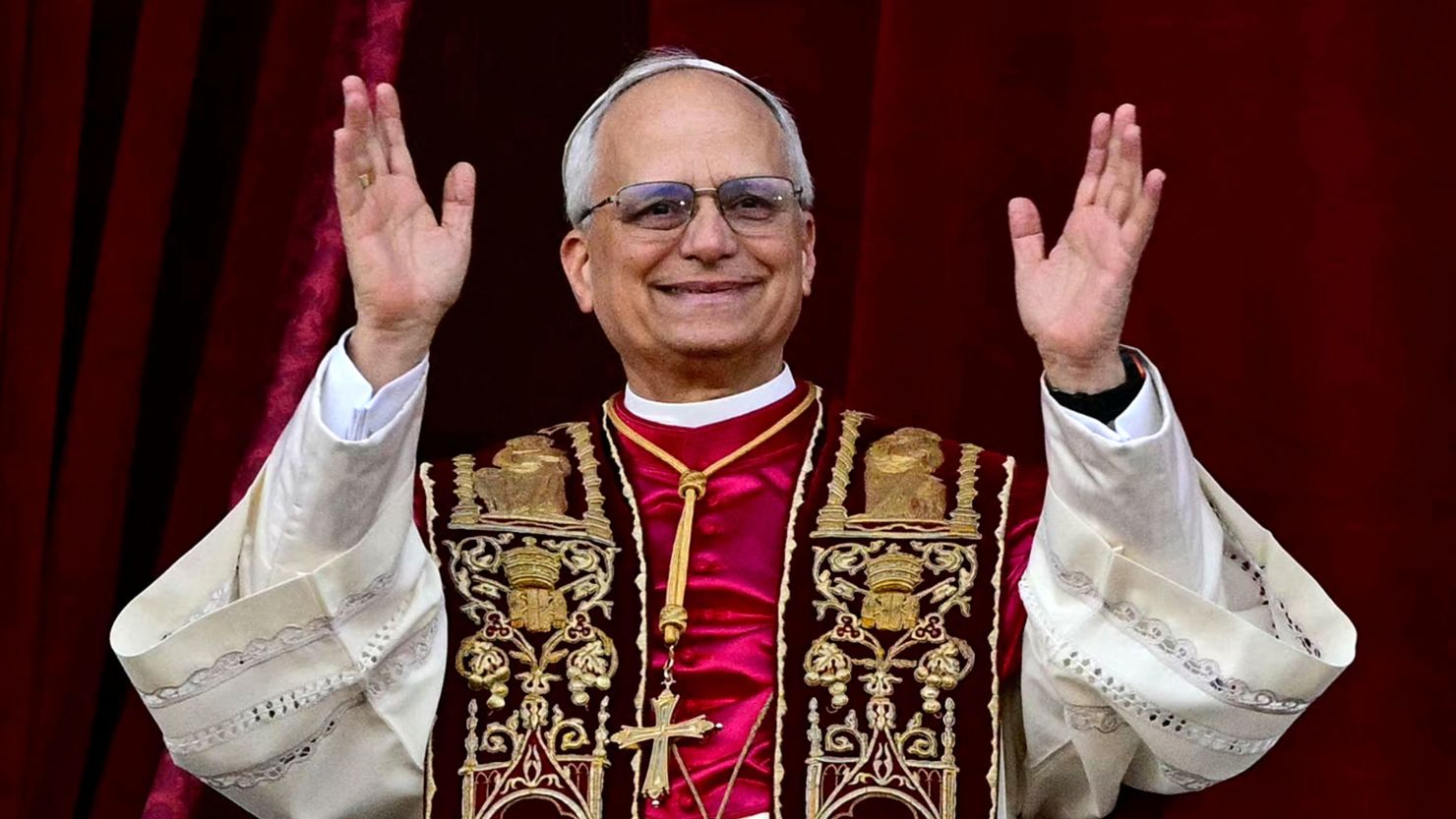
As reported by Newsweek, Pope Leo XIV — formerly Cardinal Robert Prevost — described AI as one of the great challenges of the modern era, particularly in areas related to human dignity, justice, and employment. He emphasized that technological progress must be guided by a commitment to the common good.
“Communication is not merely the transmission of information,” the Pope stated, “but the creation of a culture — of digital and human environments that become spaces for dialogue and debate.” He likened the rapid advancement of AI to past industrial revolutions, urging a similar ethical reckoning.
The pontiff also paid tribute to his predecessor, Pope Francis, who often voiced concern about the social and spiritual impact of modern technologies. Just weeks before his passing, Francis urged people to prioritize human relationships over screen time and reminded the world of the need for technology to respect human dignity.
Pope Leo XIV underlined that the responsibility for the ethical use of AI falls not only on institutions but also on individuals, based on their age and role in society. He pointed to the Church’s social doctrine as a valuable ethical framework to address the complex questions raised by emerging technologies.
Concerns over artificial intelligence are mounting across sectors. Environmental experts have highlighted the high energy consumption of AI systems — with some tools like ChatGPT reportedly using up to ten times more electricity than a standard Google search — raising alarms about carbon emissions. In education, teachers worry about students using AI to cheat, while automation continues to threaten jobs in various industries.

Amid these challenges, Pope Leo XIV urged the global community to ensure that AI enhances, rather than replaces, human relationships. He reiterated that technological development must be rooted in solidarity and serve the well-being of all.
“The Church is called to respond with faith and hope to the challenges of this new era,” he said, expressing a desire for the Vatican to play an active role in global discussions around human-machine interaction.
Outside the Church, voices such as Stanford University professor John Duchi have expressed optimism. According to Newsweek, Duchi believes that, when used to automate repetitive tasks, AI could free up time for deeper human interaction — a shift he sees as beneficial to society.
As artificial intelligence continues to reshape education, healthcare, media, and even warfare, Pope Leo XIV’s intervention signals the Catholic Church’s intent to engage meaningfully in shaping the ethical future of technology.


