
Criticism of Donald Trump’s policies continues to grow, and in several countries, citizen movements have begun promoting a boycott of American products. A clear example is Sweden, where this practice has gained significant support among public opinion.
“Recently, I went shopping and decided not to buy Colgate toothpaste. I also won’t be buying Levi’s jeans or Nike sneakers anymore. I think it’s fair to choose non-American products at the supermarket. I might not use Trump’s words and say ‘Make Europe great again,’ but I truly believe that Europe can strengthen its position by focusing on itself, leaving the United States aside,” he says.

The call to boycott US products is gaining momentum in Sweden
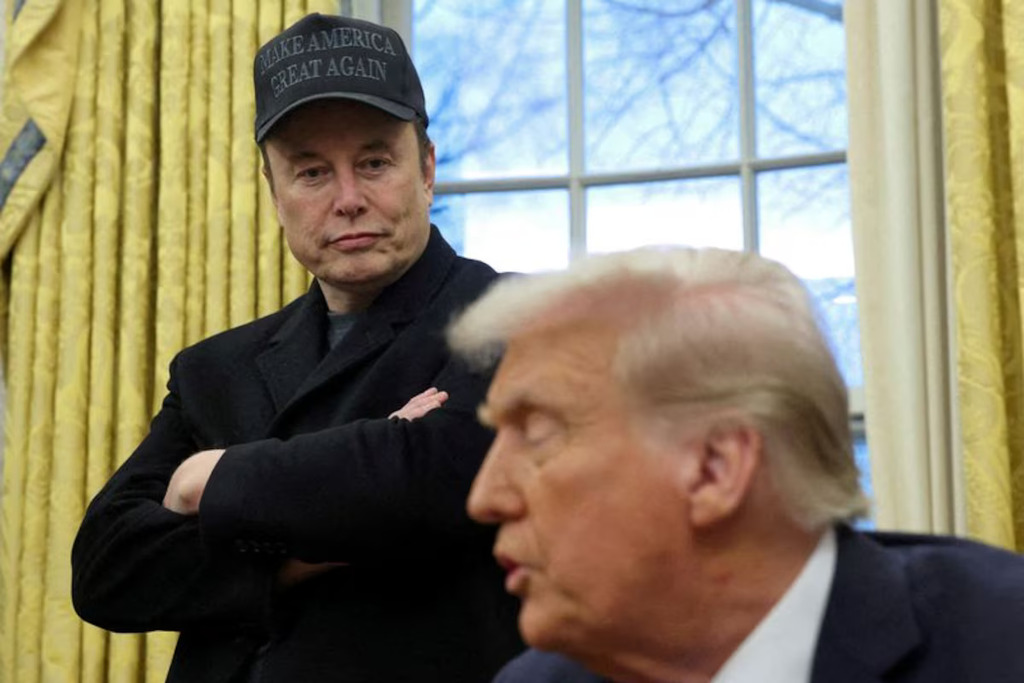
The discontent has also taken shape on social media. More than 33,000 Swedes joined a Facebook group within a week, urging people to reject American products. One of them, Reidar Svedahl, explains his stance: “I was hungry and passed by a McDonald’s, but I chose not to go in. Trump, Vance, and Musk only understand economics, so we Swedes and Europeans must show them that these actions will hurt their businesses. Just look at Tesla’s numbers—they are plummeting. A boycott can have an impact.”

In January 2025, sales of Elon Musk’s cars in Sweden dropped by 44% compared to the same month the previous year. This trend of rejecting American products has also begun to spread to neighboring countries like Norway and Denmark.
Reaction in Denmark: prioritizing European products
In Denmark, the Salling supermarket group, which operates the Bilka, Fotex, and Netto chains, announced that they will clearly label the European origin of their products. “We have recently received numerous requests from customers wanting to buy food products from European brands. Our stores will continue to offer products from around the world, but this new label is just an additional service for those who prefer European options,” explained Anders Hagh, the group’s CEO, on his LinkedIn account.
The growing boycott movement reflects a strong European response to American policies, reinforcing the idea of greater economic and political independence.


