For ten years, millions around the world tuned in to laugh with Friends, the iconic sitcom that defined a generation. Chandler Bing — the quick-witted, sarcastic, and secretly sensitive character — was a fan favorite. Behind the jokes and signature one-liners was Matthew Perry, whose real-life story was far from a comedy. While he was earning $1.1 million per episode and making people laugh from living rooms across the globe, Perry was silently battling depression and addiction, scars left behind by a painful childhood.
On paper, he had it all: fame, fortune, and a starring role in one of the most beloved TV shows of all time. But success didn’t bring peace — it only magnified the emptiness he’d been carrying for years. “I wanted to be famous. I thought that if I got famous, everything would be okay,” he later revealed. But it wasn’t okay. Not even close.
Perry’s childhood was marked by instability. His parents split when he was just a baby. His mother, a Canadian journalist, raised him while managing a demanding career, and his father — an actor himself — lived in Los Angeles. Growing up, Perry felt alone and disconnected, constantly caught between two worlds. Humor became his shield, but it wasn’t enough. By his early 20s, he had started using substances to cope, and by the time Friends became a phenomenon, he was already caught in a downward spiral.
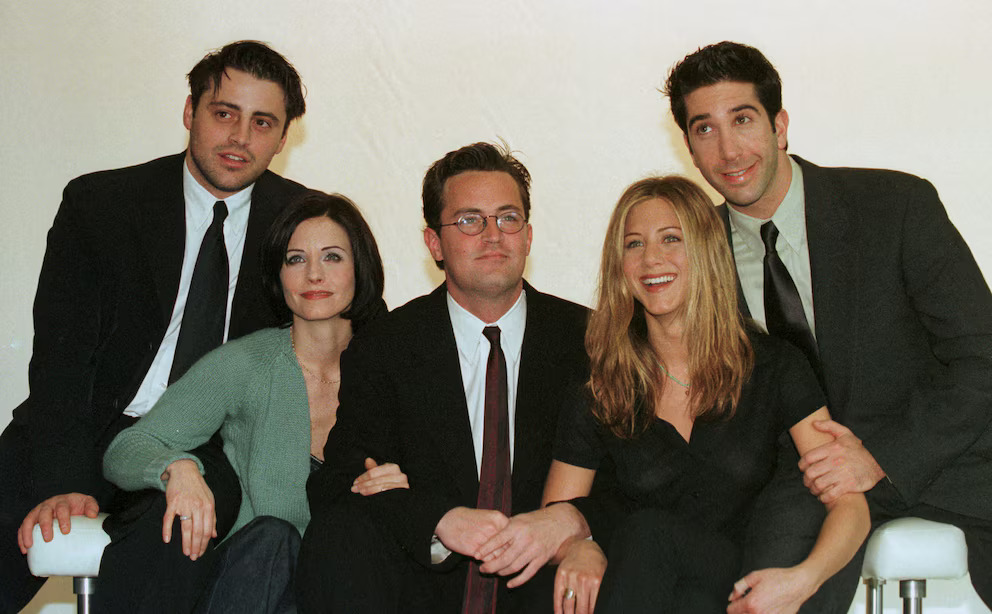
Despite the setbacks, Perry kept fighting. He went through rehab multiple times. He opened a sober living facility, spoke out about recovery, and used his story to try to help others. In 2022, he published his memoir Friends, Lovers and the Big Terrible Thing, a raw and unfiltered account of his journey. The book wasn’t about redemption or glamor — it was about survival. About telling the truth.
His death in October 2023 at age 54 left fans heartbroken. For many, he was more than just Chandler — he was a symbol of quiet resilience, of someone who kept trying even when the odds were against him. He died alone, but he didn’t leave behind an empty legacy.