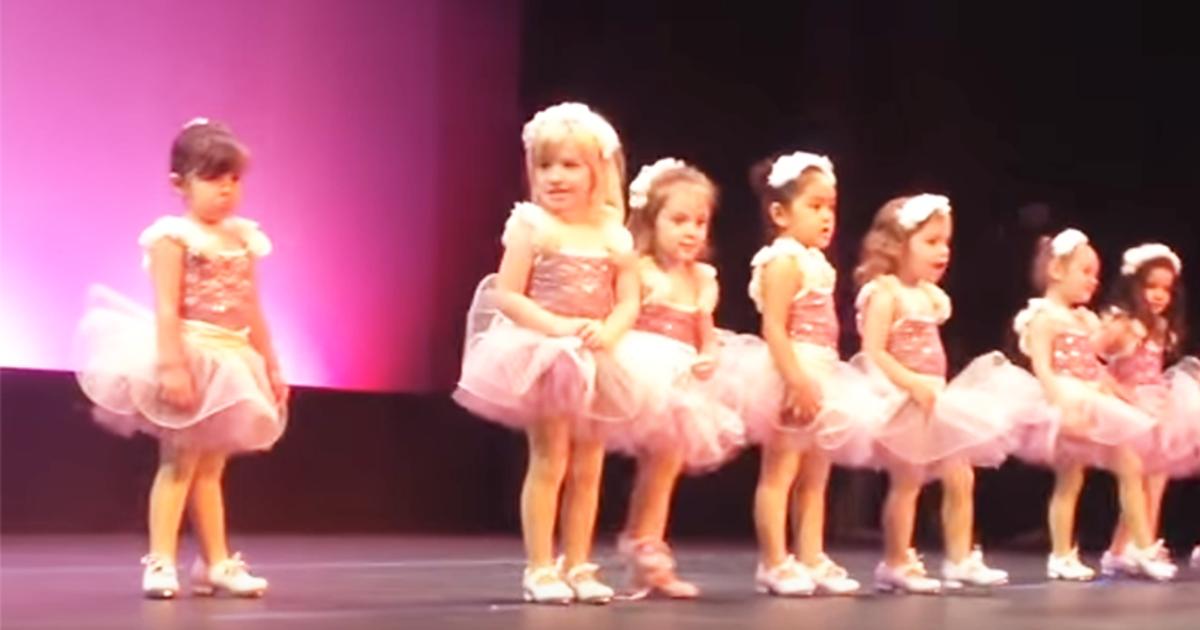

Dance is not just a fun activity, but it can also positively impact a child’s cognitive development. The National Dance Education Organization (NDEO) highlights how dance can help children understand and solve problems through movement, creating a cognitive loop between an idea or intent and the solution. Moreover, dance has more tangible benefits such as enhancing social awareness and physical development.
Through group dance, children can learn cooperation, communication, and collaboration skills at an early age. In one study cited by Ken Robinson and Lou Aronica in a 2018 TED-Ed blog, 95% of teachers found that students’ abilities to cooperate and collaborate improved after dancing together in groups.
However, one aspect that often gets overlooked in discussions about dance education is the joy and cuteness factor that comes with teaching dance to young children. The viral video of a 2-year-old refusing to dance until she spotted the camera, then stealing the show with her adorable capers, is a testament to the power of dance to bring happiness and smiles to people’s faces.
Overall, dance is an important activity that can benefit children in many ways, from developing their cognitive and social skills to promoting physical development. As Ken Robinson and Lou Aronica suggest, dance is just as important as math in school, and it should be given the attention it deserves


