

In some Indigenous communities, the bond between humans and animals goes far beyond coexistence—it is based on care, respect, and mutual survival. One powerful example of this is the practice, seen in certain Amazonian and tribal societies, where a woman may breastfeed a young animal, especially if it has been orphaned.
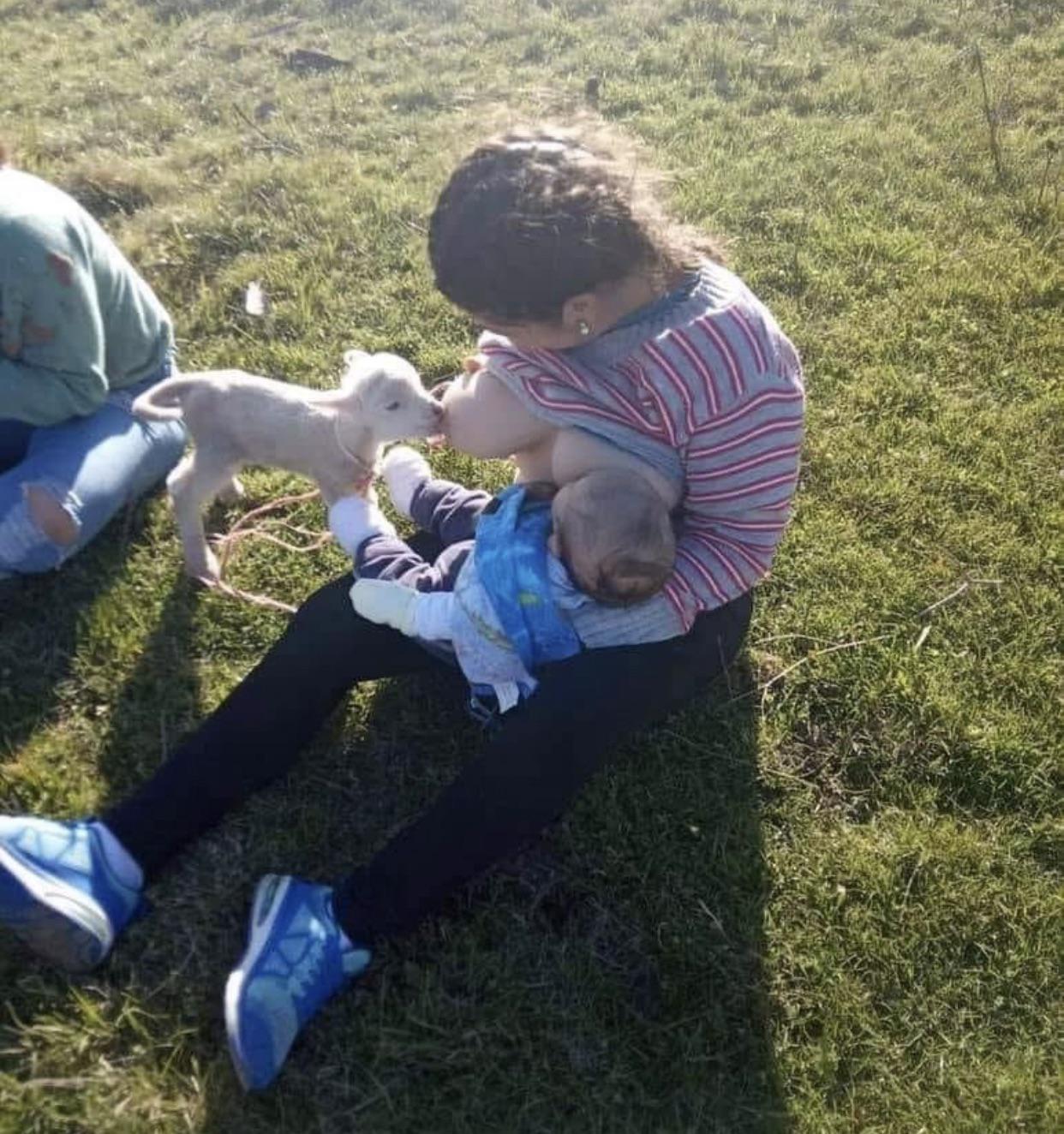
This act may seem unusual to people outside of these cultures, but within these communities, it is seen as natural and compassionate. If a baby animal loses its mother, and a woman is lactating—often because she is already nursing her own child—it is not uncommon for her to share her milk. This ensures the animal’s survival and reflects a worldview in which all life is connected.
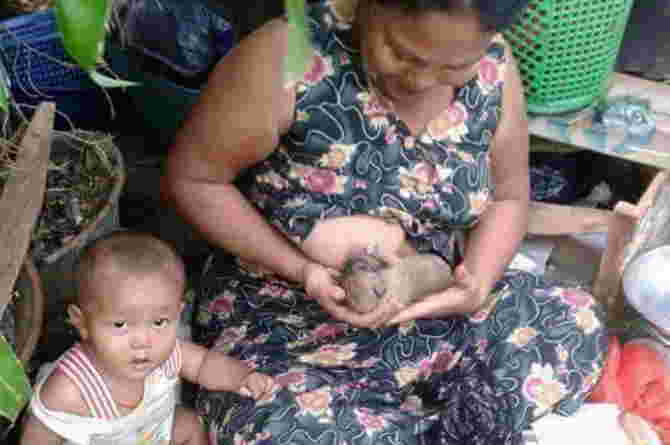
The relationship between humans and animals in these cultures is not based on dominance, but on interdependence. Animals are part of the extended family, and caring for them is part of caring for the community and environment as a whole. The milk shared is not just food—it is a gift of life, protection, and warmth.
Anthropologists and researchers have documented similar practices around the world, from South America to parts of Asia and Africa. These actions challenge modern assumptions about the boundaries between species and reveal a deeper philosophy: compassion is not limited by biology.
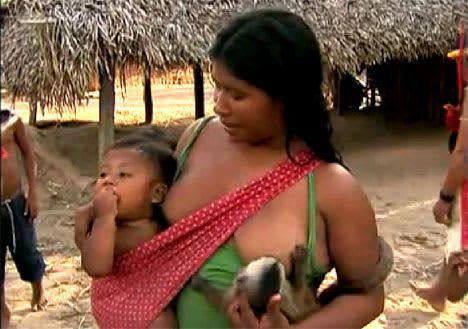
In Western societies, where breastfeeding is often debated even when done publicly for humans, this image can be shocking. But in reality, it’s a simple gesture of kindness—a mother seeing a vulnerable creature in need and responding with care.

This kind of empathy toward all living beings reminds us that humanity’s oldest values—nurturing, sharing, and protecting—are not only meant for our own kind. They are values that transcend species and offer a model of how we might live more harmoniously with the natural world.


