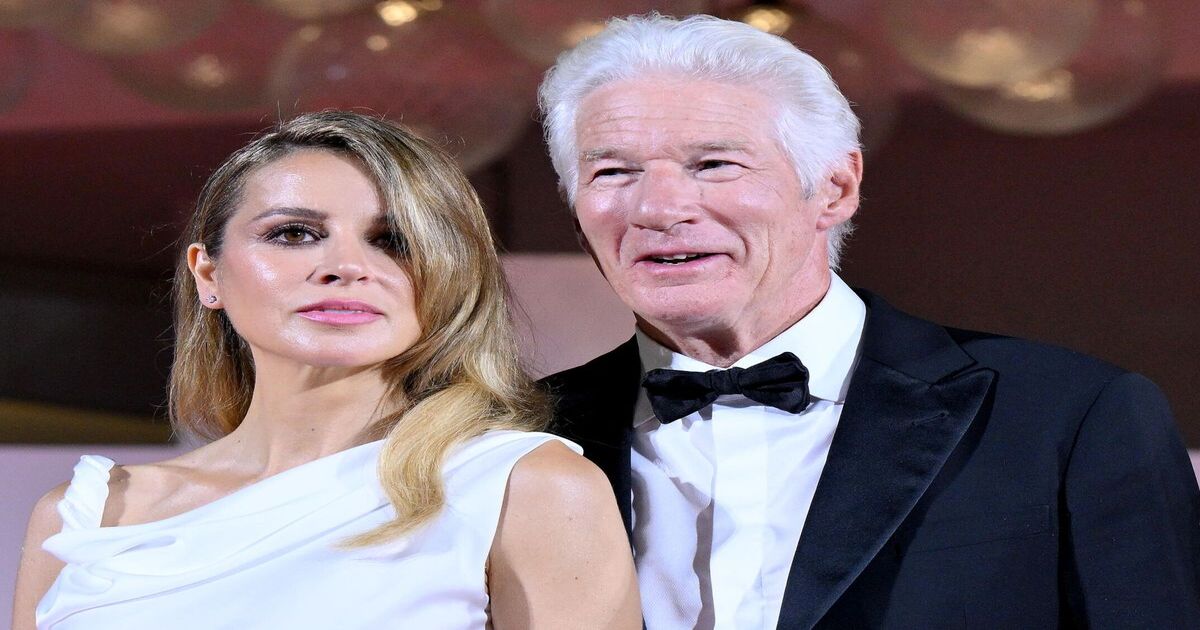

In late April, Richard Gere attended the BCN Film Fest to present the documentary Wisdom and Happiness, which explores the teachings of the Dalai Lama. Although credited as an executive producer, Gere used the occasion to share deeper reflections in a roundtable conversation — attended by our colleague Mariona Borrull — touching on spirituality, cinema, and the often-misunderstood public perception surrounding figures like himself.
With over five decades in the film industry and now residing in Spain, Gere speaks from the perspective of someone who has long understood the fleeting nature of fame. “One day you’re rich, the next day you’re not. One day you’re famous, the next no one remembers you. You may think you have everything — and then suddenly, it’s gone. That’s just how it is,” he said. “But what endures is who we are, and the basic values we all respond to. It really comes down to something very simple: basic kindness. Everything in the world — even animals, even children — responds to kindness. A small gesture: smiling, acknowledging the other person. It can change everything.”
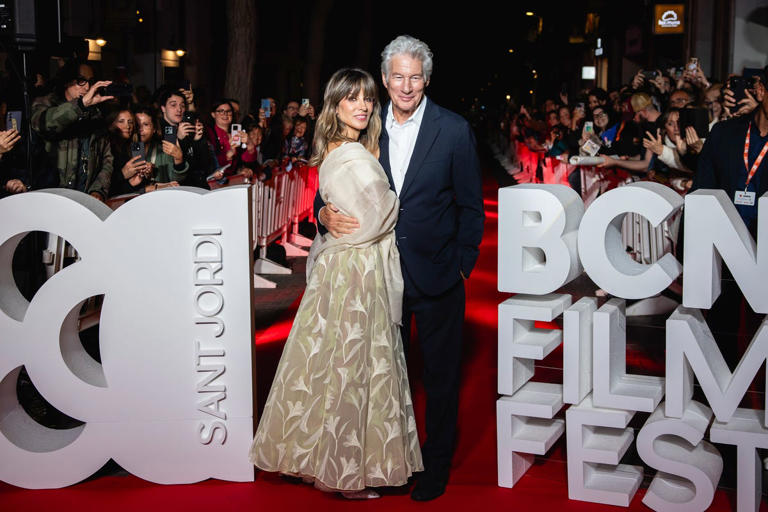
Gere also took the opportunity to dismantle the mythologized aura surrounding the film industry: “People talk about Hollywood like it’s something special. It’s not. It’s just people working. Making movies is hard. It takes time, there’s pressure, there’s stress. Sure, it can be fun — but it’s still a job. A good job, yes, but people still have to raise kids, deal with partners, pay mortgages… It’s the same everywhere. We’re all the same. Though these days, I’m usually the oldest one in the room,” he added with a smile.
For Gere, the seeming contradiction between public visibility and Buddhist teachings — centered on the dissolution of the ego — is not an unresolvable conflict. In fact, he sees visibility as a tool for a greater purpose. “Would I prefer to walk alone in the forest? Honestly, yes,” he admitted. “But as His Holiness the Dalai Lama says, his job is to be the Dalai Lama. My job is to be an actor. That’s what I do. It’s a good job — one I enjoy. But it also means being his student, his representative, using the fame I have to help amplify what he’s trying to say.”
When asked to name a favorite among his more than sixty films, Gere offered a familiar smile. “I’ve been doing interviews for fifty years — and I still don’t have an answer.” Still, one film stood out: “Chicago was the most fun I’ve ever had making a movie. I had a blast. There were many other great experiences, but that one was the most fun. There were only a few projects where I didn’t enjoy myself. I’ve been very lucky — great scripts, incredible actors, amazing teams. But I’ve never taken any of it for granted.”
On the possibility of stepping behind the camera, Gere expressed some hesitation. “I have enormous respect for directors — to make a film, you commit yourself fully for one or two years. I’m not sure I have that in me. I tend to move in too many directions.” Nonetheless, since his debut as an executive producer on Final Analysis (1992), he has taken on that role frequently, with credits on films such as Sommersby (1993), Hachi: A Dog’s Tale (2009), and most recently Longing for a Secret Life (2024), starring Diane Kruger.
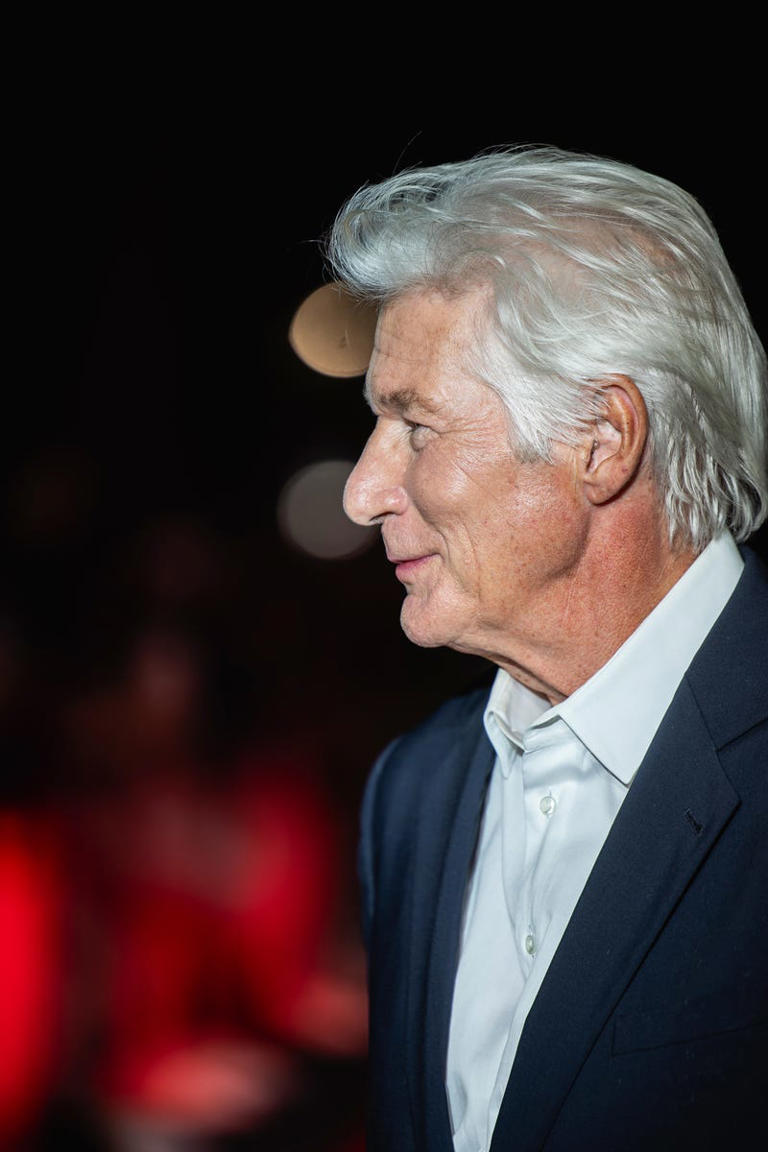
Still, his greatest joy remains acting. “Producing isn’t nearly as fun as acting,” he admitted. “And I’ve been fortunate — I’m never treated just as an actor. It’s not about the director saying, ‘You stand here, you do this,’ like some kind of dictator. I believe in filmmaking as a collaborative experience. Yes, a director has to make decisions, but the best ones are those who listen. They listen to the ideas, and they bring people into the process.”


