

The environmental priorities of the United States have taken a significant turn with Donald Trump’s return to the White House. On his first day in office, the president signed an executive order to begin the process of withdrawing the country from the Paris Climate Agreement. Simultaneously, his administration initiated new policies favoring fossil fuel development over renewable energy. Now, just six months into his term, Trump has taken another major step—one that may severely impact global marine conservation efforts.
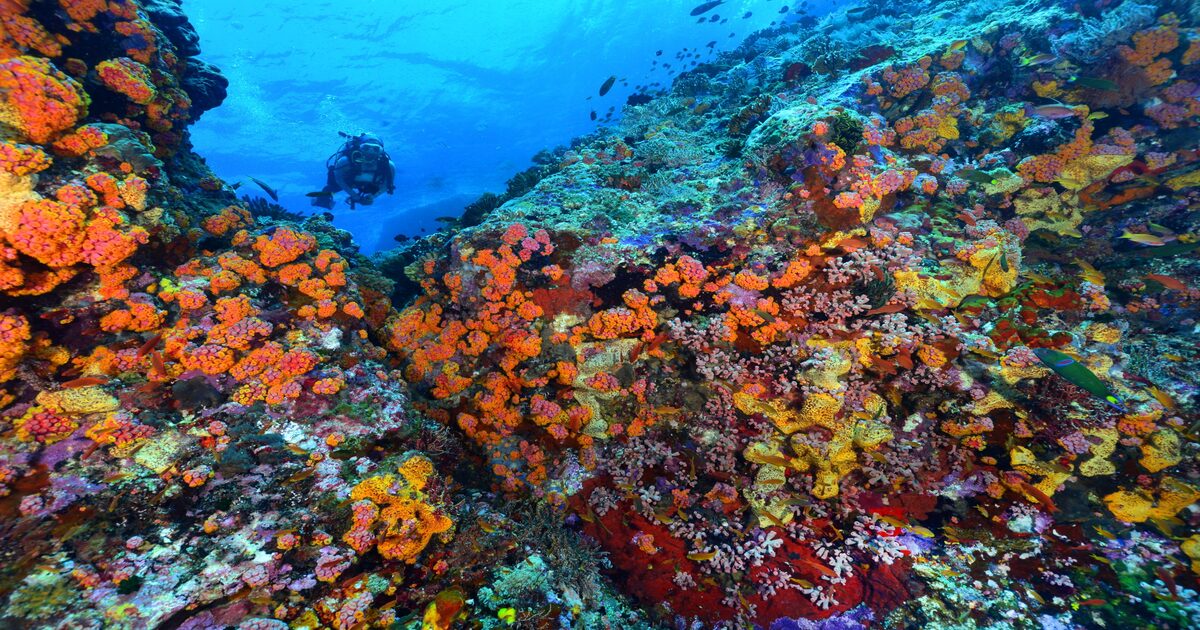
This Thursday, President Trump signed a decree reauthorizing commercial fishing in specific areas of the Pacific Ocean. Most notably, this policy change affects the Pacific Remote Islands Marine National Monument, one of the largest and most biologically diverse marine sanctuaries on the planet. The area has long been recognized as one of the most fragile ecosystems on Earth.
The president defended the move by citing the need for American fishermen to compete with “heavily subsidized and poorly regulated foreign fleets.” He further claimed that “well-managed commercial fishing would not endanger the scientific and historical resources” protected within the sanctuary.

Established in 2009 by President George W. Bush and significantly expanded in 2014 under Barack Obama, the monument spans over 1.5 million square kilometers (nearly 600,000 square miles) in the Pacific Ocean. It includes coral reefs, remote islands, and deep-sea habitats. Until this recent order, all extractive activities—including mining, drilling, and both commercial and recreational fishing—had been strictly prohibited within its boundaries.
Despite being included in the United States’ Tentative List for UNESCO World Heritage status in 2017, the sanctuary has not been spared from the latest shift in U.S. environmental policy.
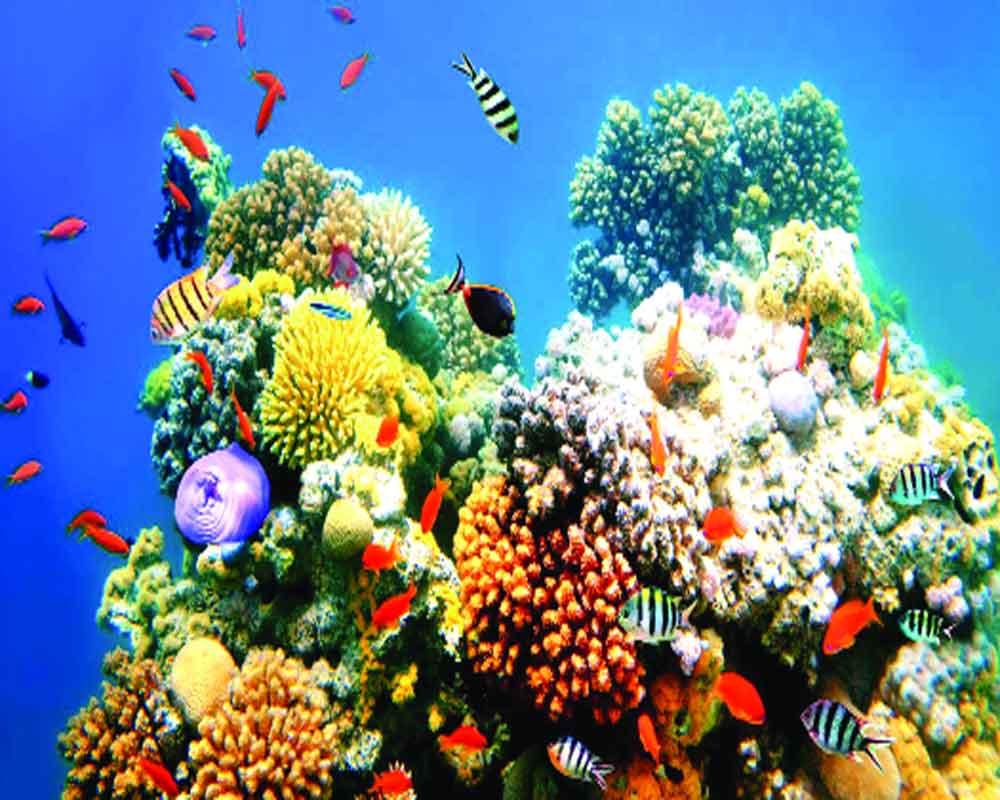
The protected area encompasses seven national wildlife refuges: Howland, Baker, and Jarvis Islands; Johnston, Wake, and Palmyra Atolls; and Kingman Reef. Combined, the sanctuary is larger than all U.S. National Parks put together, making it one of the most expansive protected marine areas in the world.
This vast region is home to numerous endangered and rare species, such as the green sea turtle, giant clams, and the Napoleon wrasse. It also harbors unique seabirds, fish, marine mammals, and flora found nowhere else on Earth. As such, the monument serves as a vital refuge for marine biodiversity and plays a key role in the health of global ocean ecosystems.
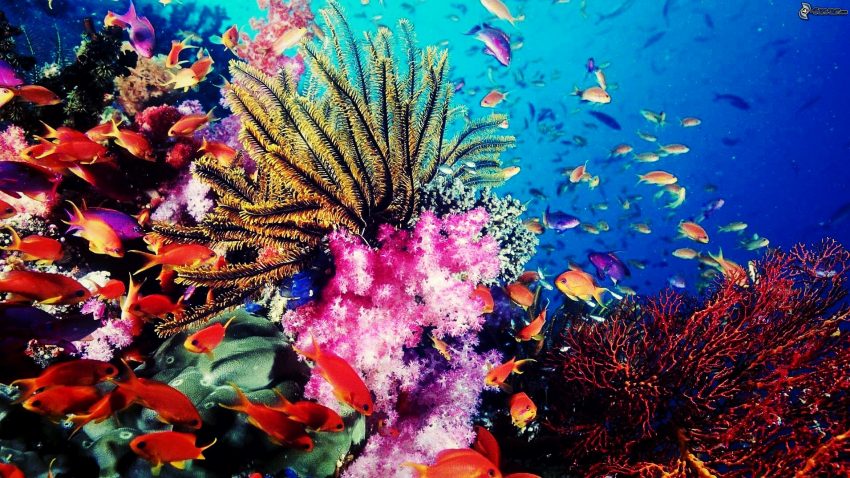
Conservationists warn that lifting the ban on commercial fishing in such a sensitive environment could set a dangerous precedent and undo years of progress in ocean protection. At a time when climate change and overfishing already pose critical threats to marine life, safeguarding pristine areas like this one has never been more urgent.


