

The black devil fish, described as “a true deep-sea predator,” uses symbiotic bioluminescent bacteria in its dorsal appendage as bait to lure its prey.
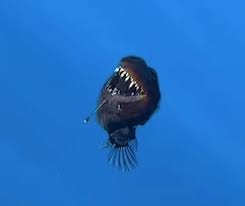
In a groundbreaking sighting, a specimen of this enigmatic species, also known as *Melanocetus johnsonii*, was observed near the ocean’s surface off the coast of Tenerife, Spain. Marine photographer David Jara Boguna captured images of the rare encounter and shared them in an Instagram post last week.
Scientists believe this footage could be the first recorded sighting of a black devil fish in broad daylight.
Typically, this species inhabits depths ranging from 200 to 2,000 meters, Boguna explained in his post. However, this particular specimen was astonishingly found just two kilometers off the coast of Tenerife during a research expedition on pelagic sharks.
The reason for its presence in shallow waters remains uncertain. According to Boguna, possible explanations include illness, an upwelling current, or an attempt to escape a predator.
The photographer reiterated that the black devil fish is “a true deep-sea hunter” and recalled its depiction in the popular movie *Finding Nemo*, where its bioluminescence plays a key role in hunting.
This species, which inhabits tropical and subtropical seas worldwide, was first documented off the coast of Madeira. Boguna concluded that this unexpected and astonishing discovery will be “remembered forever” by him and his team.
According to a *MARCA* report published on Saturday, the sighting has generated great excitement, highlighting the importance of continued marine exploration and the potential for unexpected discoveries even in relatively well-studied regions.
“The fact that this sighting took place in Tenerife makes it particularly noteworthy, emphasizing the unique biodiversity of the Canary Islands,” the report concluded.


