
The European space industry has begun to mobilize to reduce Ukraine’s critical dependence on the Starlink satellite network, owned by American entrepreneur Elon Musk. This system, which has been essential in ensuring communications for both the military and the civilian population in Ukraine during the Russian invasion, has also raised serious concerns about the strategic vulnerability of relying on an infrastructure controlled by a foreign private entity.
Airbus Spain, one of the leading companies in the European aerospace sector, recently highlighted that Europe has the technological capabilities necessary to offer viable alternatives to Starlink and support Kyiv in this crucial area. The company emphasized the importance of strengthening European technological sovereignty and developing independent solutions to ensure secure and continuous access to satellite communications.
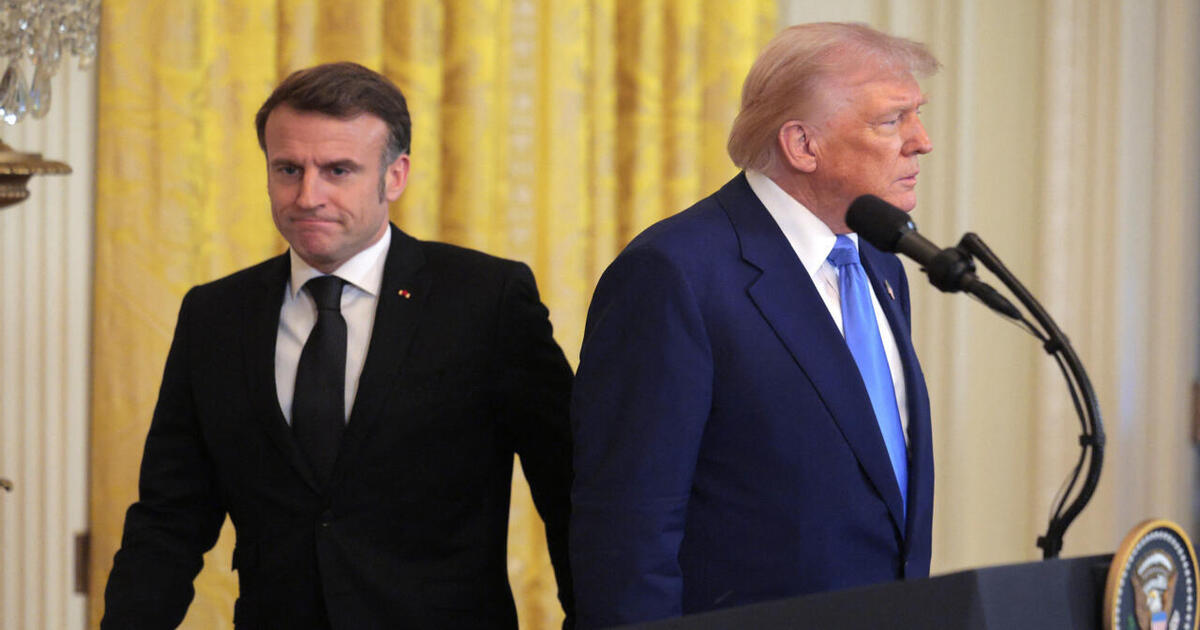
Musk’s influence and his network of satellites have become evident following several political episodes, where the possibility of Starlink limiting or conditioning its services has generated tension and uncertainty in Ukraine and among its allies. The European industry is now working on proposals that combine public and private resources, aiming to accelerate the deployment of its own satellite constellation capable of providing equivalent services.
The IRIS2 project, promoted by the European Union, is one of the key initiatives in this strategy. With a multimillion-euro investment, this network is expected to offer secure and resilient satellite internet services for governmental, military, and commercial uses.
At a time when geopolitics and technology are more intertwined than ever, the European space industry faces the challenge of consolidating its autonomy and enhancing its capabilities to support its international partners without relying on unilateral decisions by private actors. The commitment is clear: to strengthen secure and sovereign communications to guarantee stability and security in an increasingly complex global context