Narges Mohammadi, renowned Iranian activist and recipient of the 2022 Nobel Peace Prize, has once again emphasized her unwavering belief in the power of women’s resistance against the oppressive Iranian regime. In a recent statement, Mohammadi boldly declared that the regime, despite its attempts to suppress voices of dissent, will not survive against the strength and determination of Iranian women fighting for their rights.
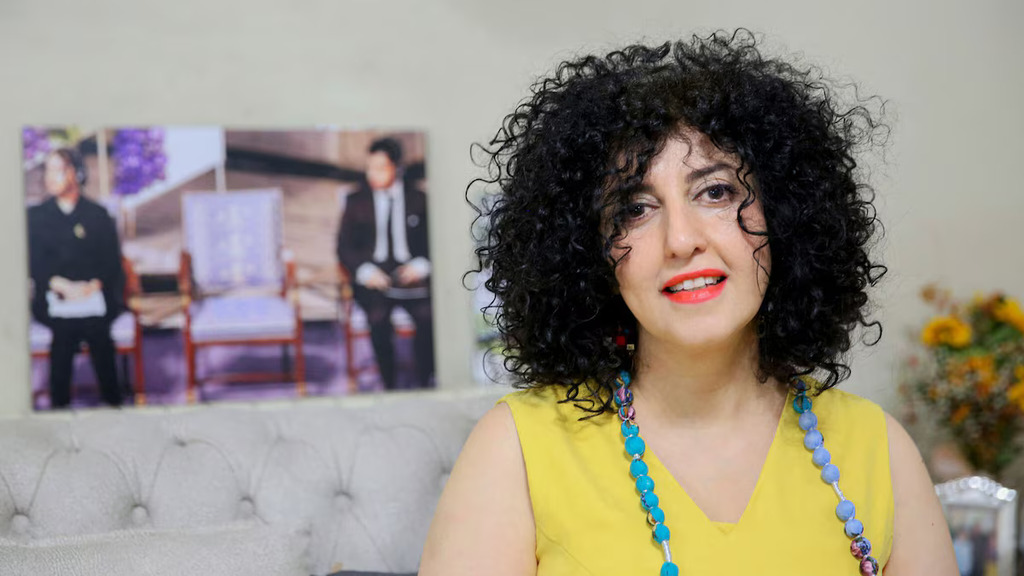
Known for her tireless activism, Mohammadi has become a symbol of the struggle for freedom, justice, and gender equality in Iran. Over the years, she has faced relentless persecution, including multiple imprisonments, due to her efforts to advocate for the rights of women, prisoners of conscience, and political reform in Iran. Despite these challenges, she remains resolute in her mission to bring about change.
Her most recent remarks reflect a broader movement within the country, which has seen an unprecedented wave of protests, primarily led by women, demanding an end to theocratic rule and advocating for greater freedoms. The Iranian government’s attempts to stifle the voices of these women through violence and repression have only fueled the determination of activists like Mohammadi, who sees the current struggle as a pivotal moment in the nation’s history.
“The Iranian regime has failed to understand the power of women,” Mohammadi stated in her address. “It has tried to silence us, to marginalize us, and to instill fear, but we will not be silenced. Women are the backbone of this revolution, and we will continue to resist until our voices are heard.”
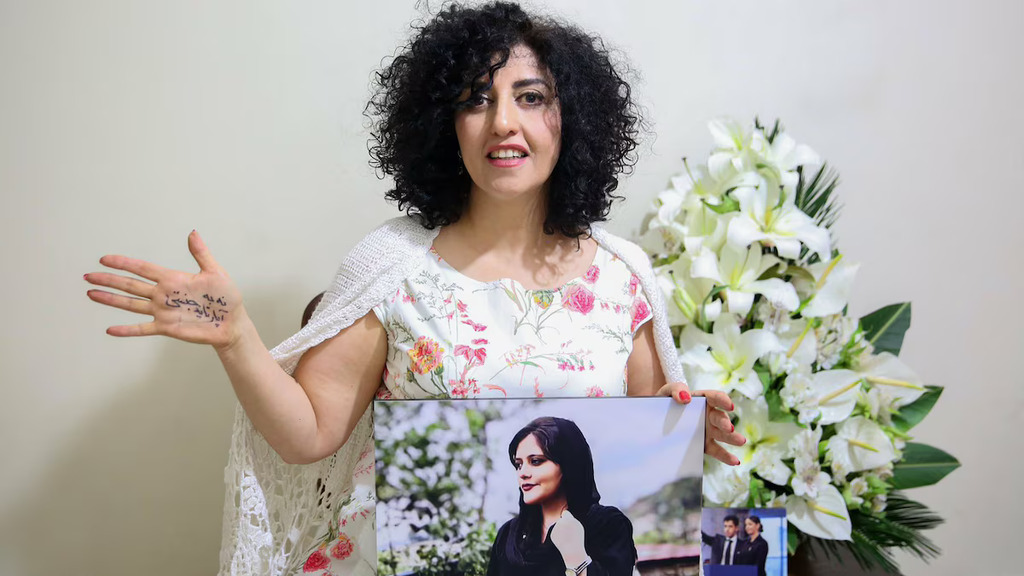
The Iranian government’s treatment of women has been a central issue in the fight for civil rights in the country. Women in Iran have long been subjected to restrictive laws, including mandatory veiling, restrictions on their participation in public life, and lack of basic freedoms such as the right to choose their own partners or travel without a male guardian. The recent protests, sparked by the tragic death of Mahsa Amini in police custody after being arrested for violating the country’s strict dress code, have become a rallying cry for many Iranians, both inside the country and in the diaspora.
As the protests have intensified, so too has the regime’s crackdown on dissent, with widespread arrests, beatings, and even executions of protesters. Despite this brutal repression, the movement has grown stronger, with women at the forefront, demanding a future free from oppression.
Narges Mohammadi’s statement aligns with the sentiments of many activists who believe that the Iranian regime’s authoritarian rule is increasingly unsustainable. “The regime is weakening, and its foundations are crumbling,” she remarked. “It cannot withstand the power of people united for freedom, especially the women who have been at the heart of this movement.”
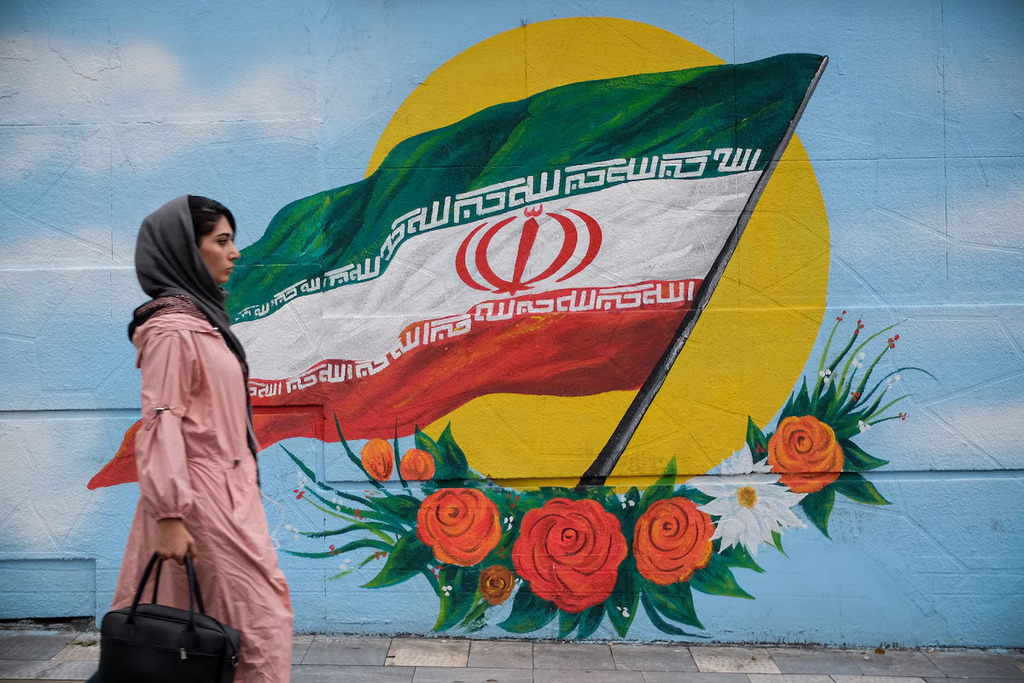
Mohammadi’s own journey as a human rights defender is a testament to the resilience and courage of Iranian women. Her activism has spanned decades, often at great personal cost. Yet, she remains undeterred, focusing on the larger goal of achieving equality and justice for all Iranians. She has expressed her belief that the end of the current regime is inevitable, stating that the fight for women’s rights is one that will ultimately lead to the downfall of the system that seeks to control them.
With the international spotlight on Iran, Mohammadi’s words resonate beyond the borders of her country. The Nobel Peace Prize she received in 2022 was not just a recognition of her individual courage, but also a global acknowledgment of the ongoing fight for gender equality and human rights in Iran.
As the resistance grows, both within Iran and abroad, many are holding their breath, hoping that this moment will mark a turning point in the country’s struggle for freedom. For Narges Mohammadi and countless other activists, the fight is far from over, and the regime’s survival seems increasingly uncertain in the face of the unstoppable force of women’s resilience.
The Iranian regime’s ultimate fate may lie in the hands of those it has tried to silence for so long—the women who are refusing to accept anything less than equality and justice.